Sequencing Comfort: A Homeowner’s Field Guide to Smarter Heating and Air Choices
Assess your home as a system before touching equipment. Square footage, insulation levels, window orientation, and occupancy patterns all drive load. A quick walkthrough to note drafty rooms, sun-exposed spaces, and recent envelope upgrades helps frame needs. Document these observations so any HVAC evaluation can be anchored to real conditions, not just nameplate capacities or rules of thumb that may oversize or undersize equipment.
Beyond that, scope the project phases to reduce rework. If you plan attic air sealing or window replacements, stage those first, then revisit load calculations so AC Installation and Repair or Heating Installation and Repair aligns with the final envelope. This phasing avoids paying for capacity you no longer need after tightening the home, and it can open options like smaller air handlers or variable-capacity systems.
Meanwhile, verify ductwork performance because distribution can undermine even premium gear. Inspect supply and return paths for kinks, crushed flex, missing mastic, or poorly sealed boots. Measure static pressure and temperature splits where possible. Refining ducts, adding returns, and balancing dampers often solves comfort complaints and noise without swapping equipment, and it sets a stable foundation for future upgrades.
However, right-sizing remains pivotal. Load calculations should use established methods and actual home data. Validate assumptions about infiltration, insulation, and internal gains. Oversized systems short-cycle, impacting humidity control and efficiency, while undersized units struggle in extremes. Selecting capacity that fits the building enables steadier temperatures, calmer acoustics, and better wear patterns across compressors and blowers.
Often, controls make or break outcomes. Thermostat Installation should include sensor placement away from drafts, sunlight, and heat-producing electronics. Calibrate schedules to match occupancy and recovery times, and enable features like adaptive learning cautiously. Zoning can help complex floor plans, but ensure bypasses and static setpoints are properly configured so equipment doesn’t operate outside its comfort envelope.
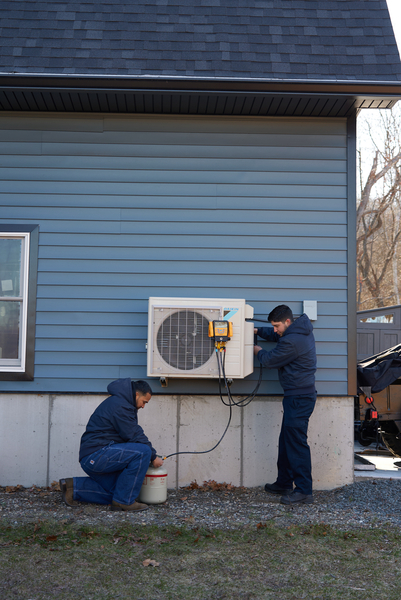
Then, consider equipment pathways and logistics. Measure doorways, stairs, and attic access, and plan safe removal routes for old units. Buffer work areas to protect finishes, and stage condensate management, line-set routing, and pad placement in advance. For Heat Pump Installation, verify defrost drainage and snow clearance, and for Boiler Installation, confirm venting paths and combustion air provisions that meet current codes.
In practice, indoor air matters as much as temperature. Indoor Air Quality Services can address filtration, ventilation, and humidity. Upgrade to appropriately rated filters without overloading static pressure, and validate that outdoor air is introduced in controlled, tempered ways. Dehumidification strategies should be matched to climate; in shoulder seasons, supplemental solutions may outperform oversized cooling cycles for moisture control.
Finally, align maintenance with lifecycle goals. Create a schedule for filter changes, coil cleaning, and drain line clearing. Document model numbers, refrigerant types, and warranty terms so repairs are streamlined. For AC Installation and Repair or Heating Installation and Repair, keep service notes handy to track recurring issues like short-cycling or sensor drift, which can signal duct leaks or control misconfiguration.
Beyond equipment, budgeting deserves a long view. Compare first costs with projected energy use, maintenance, and expected service life. Explore options like variable-speed blowers or inverter compressors that may offer steadier comfort with lower peaks. Validate rebates and permitting requirements early so timelines are realistic, and sequence deposits and material orders to avoid off-season delays or missed windows.
Finally, demand a thorough handoff. Request documentation, setpoint walkthroughs, filter sizes, and emergency shutoff locations. Ask for initial readings—static pressure, temperature splits, and refrigerant parameters—to establish a baseline. With a clear record and a measured plan, your HVAC becomes a dependable, adaptable asset that supports comfort, efficiency, and resilience across seasons and household changes.